
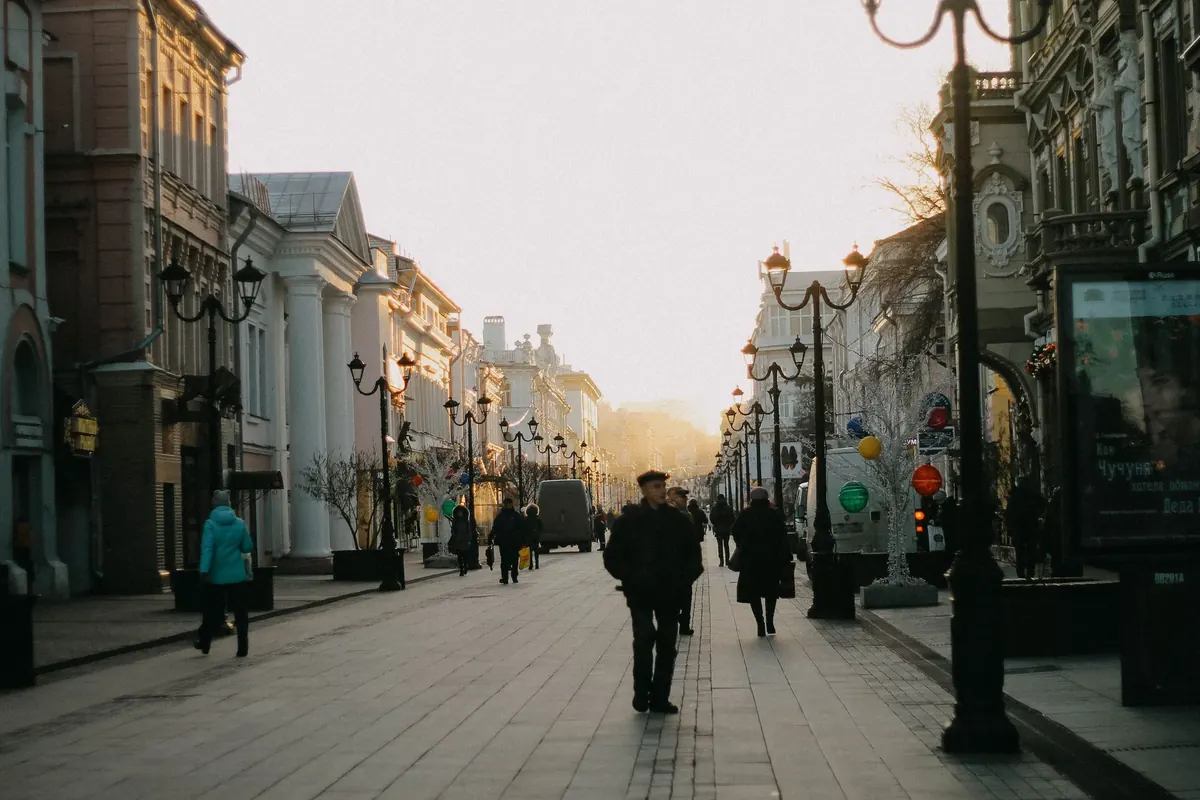

Seasonal Reflection: A Winter Checklist for Slower Evenings
At half past four in December, the light over the rooftops turns a colour that has no proper name — somewhere between pewter and the inside of a shell — and then it is gone. The evening arrives without asking. For weeks we meet it slightly unprepared, reaching for switches, wondering where the afternoon went. Then, gradually, we adjust. We stop expecting the day to behave like summer and start treating the dark as a room we get to furnish.
That adjustment is the whole work of this season. Not productivity, not resolutions, but the small, deliberate business of arranging an evening so that it holds you rather than hurries you. What follows is a checklist, in the loosest sense of the word. Nothing here needs to be completed. It is meant to be borrowed from, argued with, and marked up like a library book.
The Hour That Arrives Early
Winter does not shorten the day so much as redistribute it. The morning comes late and thin; the afternoon is generous with grey; the evening begins while there is still work on the desk. If you spend the whole of it waiting for tomorrow's light, you miss the particular quality of the hours you actually have.
Try naming the hour instead of counting it. Five o'clock in winter is not the end of the afternoon — it is the beginning of lamplight, the time when windows on the far side of the street become small warm rectangles and the kettle earns its keep. Poets have always known this. There is a whole tradition of verse written about the hour before dinner, and almost none of it is sad. The dark is not an absence to be endured; it is a texture, and textures can be worked with.
A Winter Checklist for Slower Evenings
Read this once in the morning, then forget it until the light starts to fail.
- Light the room before you need to. Not the overhead light — the low one, the one that makes a corner rather than a room. Doing this twenty minutes early changes the mood of an evening more than anything else on this list.
- Close the day with one small physical act. Change your clothes. Wash the cup by hand. Walk to the end of the street and back. A transition the body can feel does more than a mental resolution to relax.
- Put one warm thing on the table. Soup, tea, a plate of bread. It does not need to be a meal; it needs to be a reason to sit down at the same hour twice a week.
- Read one poem, slowly, out loud. Out loud matters. A poem read silently in a hurry is a paragraph; read aloud, it becomes a piece of time with edges.
- Write three lines, not a page. Three observations from the day, however small: the sound of the radiator, the woman at the bus stop humming, the way the frost made the bins look ceremonial.
- Leave something unfinished on purpose. A bookmarked page, a half-written sentence, a puzzle with a corner still loose. It gives tomorrow evening somewhere to begin.
- Step outside for four minutes. Cold air, one look at the sky, back in. It resets the lungs and the sense of scale, and four minutes is short enough that you will actually do it.
If you only manage one
Choose the second item. Every other practice on the list depends on a boundary between the working day and the evening, and most of us never build one. We simply carry the desk into the sofa and wonder why rest feels thin.
Rest Is Not Only Sleep
By February the word tired has become a catch-all. It covers the body that has not moved enough, the mind that has moved too much, and the social battery that has been slowly drained by a season of indoor gatherings and overheated rooms. Sleep will not fix all three.
It helps to name the kind of rest you are short of, because each kind asks for something different:
- Sensory rest. Less noise, fewer screens, less glare. Ten minutes in a dim room with nothing playing.
- Mental rest. Something absorbing and pointless — knitting, chopping vegetables, a documentary about geology. Anything that occupies the hands and not the calendar.
- Social rest. Time alone that is not secretly preparation for the next conversation. An evening with no one to report to.
- Creative rest. Input rather than output: a gallery, a walk, a record played all the way through without doing anything else.
If a low mood or poor sleep persists through the season, treat it as information worth acting on rather than a character flaw. Speak to a doctor about anything that lasts more than a few weeks or begins to interfere with ordinary life. Seasonal changes are common and there is help that does not require you to be either stoic or dramatic about it.
The Winter Reading Habit
Poetry suits this season better than prose does, and not for mysterious reasons. A poem is short enough to finish in the ten minutes before you fall asleep, which means it can actually become a habit. It also rewards the second reading, and second readings are what winter evenings are for.
How to read a poem in five minutes
Read it once without stopping. Read it again, aloud, and notice where your voice slows down. Read it a third time and mark two words — any two — that caught. Then close the book. That is the whole method. No interpretation required, no notes to keep. What you noticed is the reading; the analysis can come later or never.
Keep a thin volume by the bed rather than a heavy one. Choose an anthology you can open at random so that the decision of what to read is never the reason you skip it.
A Short Record of the Season
A notebook is useful here not as a diary but as a log. Three or four questions, answered in a few words each, once a week, will give you something to look back on in March that no photograph can match.
- What was the slowest hour of this week, and what were you doing?
- Which evening do you want to repeat?
- What did you say no to, and how did it feel afterwards?
- What has the dark been good for?
Write in pencil if the blank page intimidates you. Pencil can be rubbed out, which quietly removes the fear of doing it wrong.
What to Carry Into Brighter Evenings
Choose two items from the checklist — no more — and write them on a card you will actually see: taped to the kettle, tucked into the book by your bed, standing against the salt. Two practices you can keep without effort are worth ten you abandon by January's end.
Then set a date. The first evening in March that stays light past seven o'clock, read back your notes and ask which of these habits was about winter and which was simply about being a person who needs rest. Some of them you will drop; the evenings will be long and the garden will call. But a few will turn out to be portable — the lamp lit early, the three lines, the poem read aloud — and those are yours now, whatever the season does next.
The dark is not the enemy of a good evening. It is only the condition under which we finally notice one.
Photo: flutie8211 / Pixabay